
Inception meeting design and facilitation
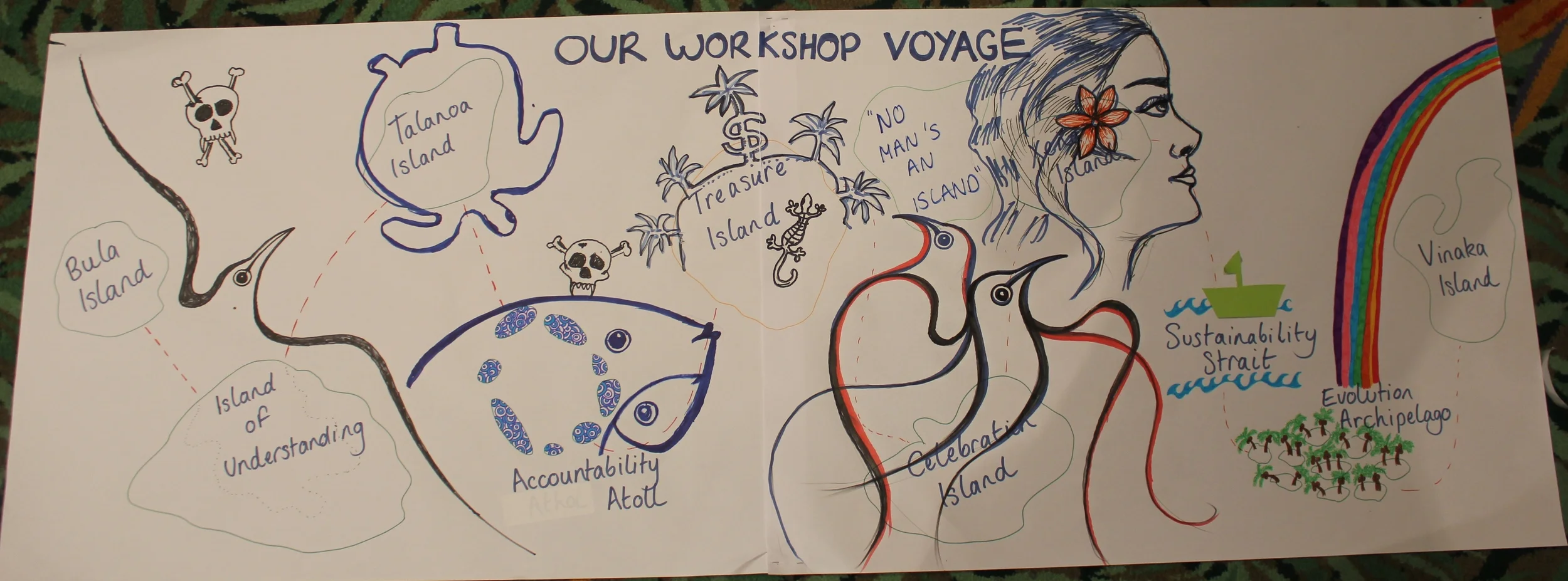
When a project or programme is funded most organisations jump straight into implementation. We have pioneered inception training for newly funded projects which bring together everyone involved in implementation. These typically run from two to four days, though a brief introduction can be covered in a day and many workshops have extended to four or five days, particularly where it is difficult to bring a disperately located team together as the longer time frame allowa greater interaction, group planning, and team cohesion.
We have found time and again that with investment in up front inception meeting training teams work together cohesively across finance, project management, field implementation, monitoring, legal, communications, and are much more cognisant of the things that could go wrong and develop appropriate mitigation strategies.
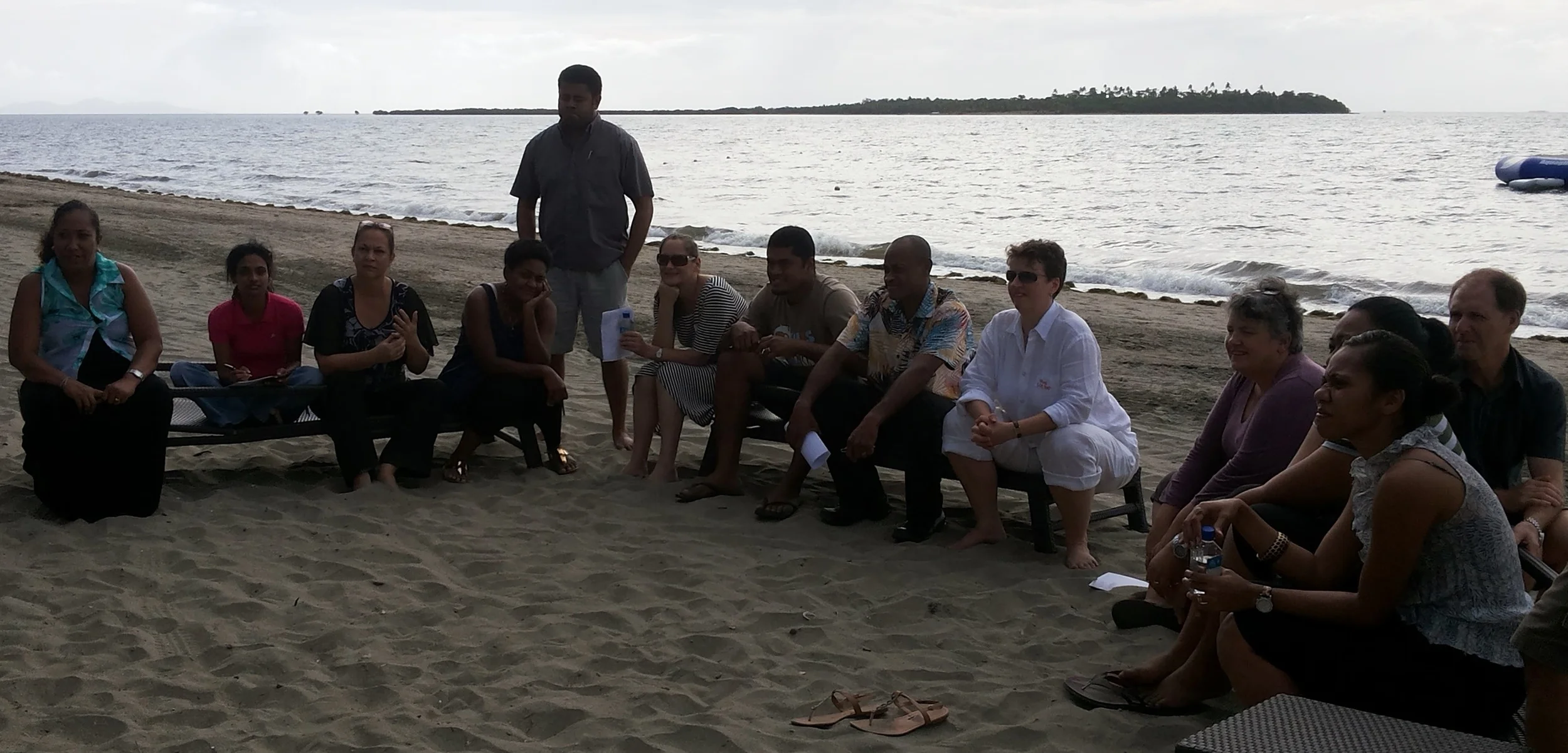
Sustainable Seafood Inception Meeting, WWF Pacific Programme Office, June 2014. R Wiseman
Inception meetings are delivered as highly interactive, creative, fun, facilitated processes, not as powerpoint presentations delivering reams of prescribed information. The key to success is that the meeting generates learning and builds capacity for teams to implement their projects in an empowered and cohesive manner. Well designed realistic projects that go into implementation with eyes wide open have every chance of being successful and even award-winning.
Inception meeting agenda and focus would be determined with the you, with the except for a one day course which would need to follow a tight proforma. A typical inception meeting would cover the following:
Setting the scene
Understanding group concerns, revisiting the project design, and examining the broader organisation and development context.
Contractual obligations
Getting to know the contract, reviewing the budget, checking cofinancing, looking at reporting templates and developing a communications strategy.
Process management
Determine internal and external relationship management, consider risks and mitigation approaches, review the project work-plan.
Deliver results
Revisit the logframe or monitoring plan looking at indicators, means of verification and baselines, consider evaluation and learning processes, hold special thematic sessions as required by the donor, and discuss sustainability and exit strategies.